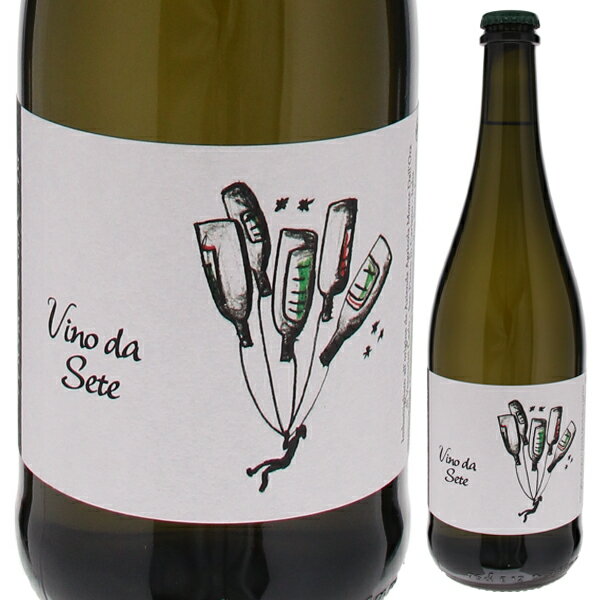
「喉が渇いたときのワイン」という名を持つヴィーノ ダ セーテは、ヴェネト州の造り手モンテ ダッローラが手がける微発泡の白。レチョートを使った独自の瓶内二次発酵が生み出すフレッシュな飲み心地を、詳しくご紹介します。
▶ 【6本〜送料無料】ヴィーノ ビアンコ ヴィーノ ダ セーテ NV モンテ ダッローラ 微発泡 白ワイ…を楽天市場で見る(¥4,279)
モンテ ダッローラとは?ヴァルポリチェッラの自然派生産者
アマローネの銘醸地で有機栽培を貫く造り手
モンテ ダッローラ(Azienda Agricola Monte dall’Ora)は、北部の銘醸地ヴァルポリチェッラ地区に拠点を置く農家です。この造り手はアマローネの生産でも知られていますが、そのスタイルはいわゆる濃厚路線とは一線を画し、「できるだけ手を加えずに自然なまま」という哲学を貫いています。畑はサンタンブロージョ・ディ・ヴァルポリチェッラ村のサンジョルジョの丘陵地にあり、標高約500メートルという高所で有機栽培を実践。冷涼な気候がブドウにシャープな酸をもたらし、それが彼らのワイン全体に通底するクリアな個性の源となっています。
自然派の信念とインポーター・ラシーヌの目利き
日本への輸入は、自然派を中心に質の高いワインを紹介することで定評のある株式会社ラシーヌが手がけています。ラシーヌが取り扱う生産者は、テロワールを素直に反映した醸造を行うところが多く、この造り手もその選定基準に合致する存在といえるでしょう。野生酵母のみで発酵を行い、添加物を極力排した醸造は、ボトルごとにわずかな味わいの違いが生まれることもありますが、それこそが自然派ならではの魅力です。
▶ 【6本〜送料無料】ヴィーノ ビアンコ ヴィーノ ダ セーテ NV モンテ ダッローラ 微発泡 白ワイ…を楽天市場でチェックする(¥4,279)
ヴィーノ ダ セーテの醸造:レチョートを活かした独自の瓶内二次発酵
冬のステンレス熟成と春の瓶詰め
本キュヴェの醸造工程はとてもユニークです。収穫したブドウを野生酵母で自然発酵させた後、冬の間、醸造所の外に置かれたステンレスタンクで約5ヶ月間熟成させます。ヴェネトの冬の寒気を利用して低温を自然に維持するという、この地の気候と一体になった手法が印象的です。
そして春の瓶詰めの際に、まだ発酵していないレチョート用の果汁を糖分源(および酵母源)として加え、瓶内で二次発酵を起こします。レチョートとは、陰干しブドウから造る甘口ワインのこと。その未発酵果汁を利用する点は、ヴァルポリチェッラの伝統であるパッシート文化との繋がりを感じさせます。この工程が、穏やかで心地よい発泡感を生み出しているのです。
ガルガーネガとマルヴァジア:ヴェネトの土着品種が織りなすテロワール
使われる品種は主にガルガーネガ、それにマルヴァジアがブレンドされています。前者はソアーヴェの主要品種としても名高い、この地域を代表する白ブドウです。Vino Hayashiのブドウ品種辞典によれば、ガルガーネガはヴェネツィアやヴェローナ周辺で1000年頃から栽培されていた記録があり、古くから甘口やパッシートの原料として「高貴なワイン」を生む品種と認められてきました。日欧商事の解説では、樽熟成を経ないこの品種のワインは「白い花、アプリコット、柑橘類、ゴールデン・デリシャスのリンゴのアロマ」を持ち、ミネラル感のある仕上がりになるとされています。標高500メートルの冷涼な畑がもたらすシャープな酸味と、この品種本来の柔らかな果実味とのバランスが、当該ワインの個性を形作っていると考えられます。
▶ 【6本〜送料無料】ヴィーノ ビアンコ ヴィーノ ダ セーテ NV モンテ ダッローラ 微発泡 白ワイ…を楽天市場でチェックする(¥4,279)
味わいと香りの特徴:名前通り「すいすい楽しめる」一本
商品名の「Vino da Sete」はイタリア語で「喉が渇いたときのワイン」を意味し、フランス語の「Vin de Soif」に相当します。この名前が示すように、気取らず軽快に杯を重ねられるスタイルが持ち味です。
商品説明によると、外観は淡い麦わら色がかった黄色。フレッシュなハーブ感とすっきりとした酸、きれいな果実味が心地よく調和し、微発泡の泡立ちが全体に軽やかさを添えています。この品種らしい柑橘や白い花のニュアンスが、爽快な飲み口を支えているのでしょう。NV(ノンヴィンテージ)であることも、日常的に寄り添う一本としてのキャラクターを物語っています。
▶ 【6本〜送料無料】ヴィーノ ビアンコ ヴィーノ ダ セーテ NV モンテ ダッローラ 微発泡 白ワイ…を楽天市場でチェックする(¥4,279)
ペアリング提案:日常の食卓に寄り添うフリッツァンテ
軽やかな前菜からシーフードまで
すっきりとした酸と穏やかな発泡感を持つこのフリッツァンテは、幅広い料理と相性が期待できます。たとえば以下のようなペアリングはいかがでしょうか。
- 魚介のカルパッチョ・生牡蠣:シャープな酸が素材の旨味を引き立ててくれそうです
- カプレーゼやグリーンサラダ:ハーブ感のあるワインと新鮮な野菜は好相性
- 白身魚のアクアパッツァ:この産地の料理と合わせる王道の組み合わせ
- 天ぷら・鶏のフリット:揚げ物の油分を泡と酸がさっぱりとリセットしてくれます
- エスニック料理(生春巻き・パッタイなど):フレッシュな味わいがスパイスやハーブとも調和しそうです
食前酒としてそのまま楽しむのもおすすめです。暑い季節はもちろん、年間を通して「ちょっと一杯」のお供にぴったりのスタイルといえます。
▶ 【6本〜送料無料】ヴィーノ ビアンコ ヴィーノ ダ セーテ NV モンテ ダッローラ 微発泡 白ワイ…を楽天市場でチェックする(¥4,279)
購入情報とまとめ
価格・ショップ・配送について
当該ワインは、楽天市場のトスカニー イタリアワイン専門店にて税込4,279円で購入可能です。6本以上の注文で送料無料になる設定のため、まとめ買いがお得です。温度変化に弱いデリケートなワインですので、特に気温の高い時期はクール便の利用が推奨されています。注文時に配送方法をクール便へ変更することを忘れずに。
その他のおすすめ
当サイトでは他にも厳選したワインのレビュー記事を多数掲載しています。こちらもあわせてご覧ください。
ワインの基礎情報については、Wikipedia「ワイン」の解説が参考になります。
まとめ:自然体で楽しむヴァルポリチェッラの微発泡白
「喉が渇いたときのワイン」という愛嬌のある名前、レチョートの果汁を活かしたユニークな醸造、そして標高の高い畑がもたらすシャープな酸とクリアな果実味。このフリッツァンテには、ヴァルポリチェッラの伝統と自然派の哲学が凝縮されています。肩肘張らず、日常の食卓で気軽に開けられる一本をお探しの方にとって、有力な選択肢となるのではないでしょうか。
This article provides a detailed review and guide to a natural, lightly sparkling white wine produced by a small organic estate located in the Valpolicella district. The winery is situated in the hills of San Giorgio near Santambrogio, at approximately 500 meters above sea level, where the cool climate and high elevation produce grapes with vibrant acidity and clean fruit expression. The estate is committed to minimal intervention winemaking, using only wild yeasts for fermentation and avoiding unnecessary additives throughout the process.
The wine is crafted primarily from a historic white grape variety native to the northeastern part of the country, along with a small proportion of another traditional variety. This indigenous grape has been cultivated in the region since approximately the year 1000, according to historical records cited in agricultural texts from the late fifteenth century. It is widely recognized as the principal variety behind the famous Soave appellation and is known for producing wines with aromas of white flowers, apricot, citrus fruits, and golden delicious apple when vinified without oak aging.
The winemaking process is distinctive and deeply rooted in local tradition. After the initial wild yeast fermentation, the wine is transferred to stainless steel tanks placed outdoors during winter. The cold ambient temperatures naturally maintain low cellar conditions without the need for artificial refrigeration, allowing the wine to rest for approximately five months. When spring arrives and bottling begins, unfermented juice from dried grapes — traditionally used for the region’s famous sweet wines — is added to the bottles. This juice provides both sugar and yeast to initiate a secondary fermentation inside the bottle, which creates the gentle, fine bubbles characteristic of frizzante-style wines.
The resulting wine displays a pale straw-yellow color and offers a refreshing drinking experience. According to the producer’s notes, it features fresh herbal nuances, crisp acidity, and clean fruit flavors that make it an easy-drinking, thirst-quenching wine. The name itself translates to wine for thirst, echoing the French concept of vin de soif — wines designed for casual, effortless enjoyment rather than intense contemplation.
In terms of food pairing, this style of lightly sparkling white is versatile enough to accompany a wide range of dishes. Seafood preparations such as carpaccio, raw oysters, and fish stews are natural companions. Fresh salads with herbs, light fried dishes like tempura, and even Southeast Asian cuisine with its bright flavors and aromatic herbs can work well alongside the wine’s herbal and citrus character. It also makes an excellent aperitif on its own.
The wine is imported to Japan by a well-regarded specialist importer known for curating a portfolio of artisanal and natural wines from across Europe. It is available through an Italian wine specialty retailer on one of Japan’s major online shopping platforms. The shop offers free shipping when six or more bottles are purchased together. Given the wine’s sensitivity to temperature fluctuations, chilled delivery is recommended during warmer months.
For those interested in exploring natural wines from northeastern regions, this bottling represents an accessible and characterful introduction. It combines centuries-old grape-growing traditions with a modern natural winemaking philosophy, resulting in a wine that is both historically grounded and refreshingly contemporary in its appeal. The unique use of dried grape must for secondary fermentation adds a layer of cultural significance, connecting this simple frizzante to the broader tradition of passito and sweet wine production that has defined the area for generations.
コメント