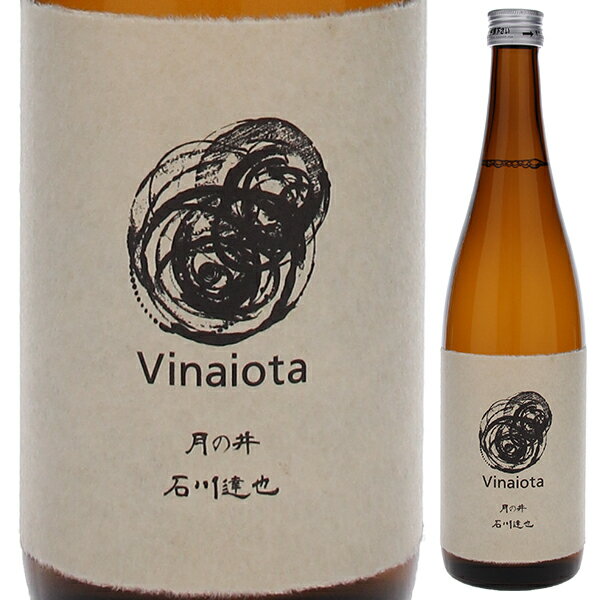
イタリアワインの名インポーター・ヴィナイオータが自ら育てたお米を、茨城県大洗町の老舗蔵元・月の井酒造店の杜氏が醸す──。月の井酒造店 生酛純米原酒チヨニシキは、ワインと日本酒の世界を繋ぐ唯一無二の一本です。その背景と魅力を詳しくご紹介します。
▶ 【6本〜送料無料】ヴィナイオータのお米を月の井酒造店で杜氏石川達也が醸したお酒 NV 月ノ井酒造店 …を楽天市場で見る(¥3,960)
月の井酒造店とヴィナイオータ──異色のコラボレーションが生まれた背景
茨城県大洗町に根差す蔵元・月の井酒造店
月の井酒造店は、茨城県東茨城郡大洗町磯浜町に蔵を構える酒蔵です。太平洋に面した大洗の風土のもと、杜氏・石川達也氏が酒造りを指揮しています。近年は自然派志向の酒造りにも積極的に取り組んでおり、生酛(きもと)仕込みや酵母無添加といった、素材と自然の力を最大限に引き出すアプローチで注目を集めています。
イタリアワインの名インポーター・ヴィナイオータが米を栽培する理由
株式会社ヴィナイオータは、イタリアを中心に自然派ワインを日本に紹介してきた輸入元として、ワイン愛好家の間で広く知られる存在です。代表の太田久人氏は、生産者の哲学や土地の力がそのまま液体に宿ることを大切にしてきました。その延長線上で、ヴィナイオータは自社の農業部門で米の栽培にも着手。茨城県産のチヨニシキを育て、その米を信頼する造り手に託して日本酒を醸すという異色のプロジェクトを実現させました。ワインインポーターが酒米を育て、日本酒蔵に委ねる──このユニークな関係が生んだのが本品です。
▶ 【6本〜送料無料】ヴィナイオータのお米を月の井酒造店で杜氏石川達也が醸したお酒 NV 月ノ井酒造店 …を楽天市場でチェックする(¥3,960)
月の井酒造店 生酛純米原酒チヨニシキ──醸造の特徴と製法
生酛仕込み・酵母無添加というスペック
この日本酒は、伝統的な「生酛仕込み」で醸されています。生酛造りとは、蔵に棲む天然の乳酸菌の力で酒母を育てる昔ながらの製法で、市販の乳酸を添加する速醸法に比べ、はるかに時間と手間がかかります。さらに本品は酵母も無添加。培養酵母を使わず、蔵付き酵母の力だけで発酵を進める、まさに自然の営みに委ねた酒造りです。
スペックとしては、精米歩合70%の純米原酒で、アルコール度数は19%。無濾過・火入れ済みという仕上げです。「ゴリゴリ&ゴツゴツのスペック」と商品説明で表現されるように、飾り気のない骨太な設計が特徴と言えます。
「固い米」が生んだ予想外の展開
ヴィナイオータ農業部が栽培したチヨニシキは、品種特性として硬めの米質を持ちます。加えて高温障害の影響と低精米(70%)であることから、醸造に使う米はかなり硬い状態だったそうです。硬い米は菌糸が内部まで入り込んだ良質な麹を造りにくく、杜氏の石川達也氏も「発酵に時間がかかり、少々やんちゃな酒になるのでは」と予測していたとのこと。
ところが蒸し方を工夫するなどの対応が功を奏し、発酵は予想に反して激烈にスピーディかつスムーズに進行。搾りたての時点で驚くほどの味わいの整い具合と外向的な表情を見せたと、杜氏もヴィナイオータ代表も驚きを隠さなかったと語られています。R5BY(2023年醸造年度)のこの一本は、「品行方正」「端正」という言葉がぴったりの、穏やかでありながら芯のある酒に仕上がったようです。
▶ 【6本〜送料無料】ヴィナイオータのお米を月の井酒造店で杜氏石川達也が醸したお酒 NV 月ノ井酒造店 …を楽天市場でチェックする(¥3,960)
味わいの特徴と楽しみ方
「品行方正」な端正さの中に宿る原酒の力強さ
生酛仕込み・酵母無添加と聞くと、個性の強い癖のある味わいを想像される方も多いかもしれません。しかしこのR5BYは、商品説明によれば「至って普通っぽい」お酒でありながら、骨格のしっかりした純米原酒ならではの厚みと飲みごたえが感じられる一本です。アルコール19%の原酒ですから、口に含んだときの凝縮感やボリュームは十分。それでいて粗さがなく端正にまとまっているところが、杜氏・石川達也氏の手腕を物語っています。
火入れ済みですので、常温での保管が可能。温度帯を変えて楽しめるのも月の井酒造店 生酛純米原酒チヨニシキの魅力です。冷やしてシャープな酸を楽しむもよし、常温〜ぬる燗で米の旨味をふくよかに開かせるもよし。季節や気分に合わせて表情を変える奥行きがあるお酒と言えるでしょう。
料理とのペアリング提案
アルコール度数19%の骨太な純米原酒には、しっかりした味わいの料理が好相性です。以下のようなペアリングを試してみてはいかがでしょうか。
- 和食:ぶり大根、筑前煮、焼き味噌など、醤油や味噌の旨味が効いた煮物・焼き物
- 肉料理:豚の角煮、鴨のロースト、牛すじの煮込みなど、脂と旨味のある料理
- チーズ:ウォッシュタイプやハードタイプのチーズ。ヴィナイオータが手がけるイタリア食材との相性も試したいところです
- 発酵食品:ぬか漬け、くさや、塩辛など、生酛造りの複雑さと呼応する発酵食品全般
ワイン好きの方であれば、自然派ワインを楽しむときと同じ感覚で、素材感のあるシンプルな料理と合わせるのもおすすめです。
▶ 【6本〜送料無料】ヴィナイオータのお米を月の井酒造店で杜氏石川達也が醸したお酒 NV 月ノ井酒造店 …を楽天市場でチェックする(¥3,960)
購入情報──価格・ショップ・送料について
「ヴィナイオータのお米を月の井酒造店で杜氏石川達也が醸したお酒」は、以下の条件で購入が可能です。
- 販売価格:3,960円(税込)/ 720ml
- 販売ショップ:トスカニー イタリアワイン専門店(楽天市場)
- 送料:6本以上のまとめ買いで送料無料(ワイン・常温食品と同梱可能)
- 発送温度帯:常温発送
- インポーター:株式会社ヴィナイオータ
他モールと在庫を共有しているため、タイミングによっては在庫切れとなる場合があります。気になる方は早めのチェックをおすすめします。ヴィナイオータの公式オンラインショップでも取り扱いがあるようですので、そちらも合わせてご確認ください。
その他のおすすめ
当サイトでは他にも厳選したワインのレビュー記事を多数掲載しています。こちらもあわせてご覧ください。
ワインの基礎情報については、Wikipedia「ワイン」の解説が参考になります。
まとめ──ワインの哲学が息づく、唯一無二の日本酒
月の井酒造店 生酛純米原酒チヨニシキは、イタリア自然派ワインの世界で培われた「素材と土地と造り手の力を信じる」という哲学が、日本酒というかたちで結実した一本です。ヴィナイオータが茨城で育てたチヨニシキを、月の井酒造店の杜氏・石川達也氏が生酛仕込み・酵母無添加で醸す──このストーリーだけでも、杯を傾ける理由になるのではないでしょうか。
普段は自然派ワインを愛飲している方にも、日本酒の新たな可能性を探したい方にも、ぜひ手に取っていただきたい注目の日本酒です。アルコール19%・精米歩合70%の骨太スペックでありながら端正にまとまったこの一本を、お好みの温度帯で、お気に入りの料理とともにお楽しみください。
This article provides an in-depth review and buying guide for a truly unique Japanese sake: a Kimoto Junmai Genshu brewed at Tsukinoi Sake Brewery in Oarai, Ibaraki Prefecture, Japan, using Chiyonishiki rice cultivated by the agricultural division of Vinaiota, one of Japan’s most respected importers of natural Italian wines. Vinaiota, led by Hisato Ota, has long championed the philosophy that wine should reflect the land, the producer, and the raw materials. This philosophy extends beyond Italian wine into an unlikely partnership with a traditional sake brewery in the Ibaraki region of Japan. The rice variety used is Chiyonishiki, grown by Vinaiota’s own farming team in Ibaraki Prefecture. This variety is known for producing harder grains, a characteristic that was further intensified by high-temperature damage during the growing season. The milling rate was kept at 70 percent, meaning 30 percent of the outer layer of each grain was polished away, leaving a substantial amount of the original grain intact. This low milling rate is more typical of everyday drinking sake rather than premium ginjo styles, and it contributes to a fuller, more robust flavor profile. The brewing was overseen by Tatsuya Ishikawa, the toji or chief brewer at Tsukinoi Sake Brewery. Ishikawa employed the kimoto method, one of the oldest and most labor-intensive techniques in sake production. In kimoto brewing, the sake mother or shubo is developed using naturally occurring lactic acid bacteria rather than commercially produced lactic acid. This process takes considerably longer than the modern sokujo method and introduces a complex array of microorganisms into the fermentation, resulting in sake with greater depth, complexity, and often a more pronounced acidity. Furthermore, this sake was brewed without the addition of cultivated yeast, relying entirely on the ambient yeast strains present in the brewery environment. This approach mirrors the philosophy seen in natural winemaking, where minimal intervention allows the terroir and indigenous microflora to express themselves in the finished product. Despite expectations that the hard rice would lead to a slow, difficult fermentation and a rough, unrefined sake, the actual brewing process defied all predictions. According to the product description, fermentation proceeded with surprising speed and smoothness. The freshly pressed sake displayed remarkable balance and an outgoing, approachable character that astonished both the toji and the Vinaiota team. The finished product from the R5BY brewing year, corresponding to the 2023 harvest, is described as possessing a quality of refinement and propriety, with descriptors such as well-behaved and elegant being used to characterize it. This stands in contrast to what one might expect from a sake with such an unconventional pedigree. The sake is bottled as a genshu or undiluted sake, carrying an alcohol content of 19 percent. It is muroke, meaning it has not been charcoal filtered, preserving the full spectrum of flavors and aromas. It has been pasteurized with a single fire treatment, which stabilizes the sake for storage at room temperature while retaining much of the freshness and vibrancy of the unpasteurized version. The combination of high alcohol, low milling, and kimoto brewing creates a sake with substantial body and structure. In terms of food pairing, this full-bodied junmai genshu pairs well with richly flavored dishes. Japanese cuisine options include simmered buri daikon, braised chicken and root vegetables known as chikuzenni, and grilled miso preparations. Western pairings might include braised pork belly, roasted duck, or beef stew. The sake also complements fermented foods such as nukazuke pickles, kusaya dried fish, and shiokara salted seafood, whose umami richness echoes the complexity of kimoto brewing. Cheese lovers might enjoy pairing this sake with washed rind or aged hard cheeses, a natural bridge between the worlds of Italian food culture and traditional Japanese brewing. The sake is available for purchase from Toscany Italian Wine Specialty Shop on Rakuten Market at a price of 3960 yen including tax for a 720ml bottle. Free shipping is available when purchasing six or more bottles from the shop, and the product can be shipped at room temperature alongside wine and other shelf-stable food items. It is also listed on the Vinaiota official online shop and has been seen on Amazon Japan. Due to shared inventory across multiple sales platforms, stock availability may fluctuate, and potential buyers are encouraged to check availability promptly. The importer and distributor is Vinaiota Co., Ltd., the same company responsible for cultivating the rice used in this sake. What makes this product particularly noteworthy is the bridge it creates between the natural wine community and the world of traditional Japanese sake. Many natural wine enthusiasts in Japan have developed an appreciation for sake that shares similar values of minimal intervention, terroir expression, and artisanal craftsmanship. This collaboration between Vinaiota and Tsukinoi Sake Brewery represents a tangible expression of those shared values, offering a sake that appeals to both traditional nihonshu drinkers and adventurous wine lovers seeking new experiences. The Chiyonishiki rice variety, while not as widely known as Yamadanishiki or Gohyakumangoku, brings its own distinctive character to the sake. Its harder grain structure, combined with the challenges of the growing season, created conditions that tested the skill of the brewing team. The successful outcome is a testament to the expertise of toji Ishikawa and his ability to adapt traditional techniques to unusual raw materials. For those interested in exploring the intersection of wine culture and sake culture, or simply seeking a well-crafted kimoto junmai genshu with an fascinating backstory, this offering from Tsukinoi Sake Brewery and Vinaiota is well worth seeking out. It embodies a philosophy of respect for ingredients, trust in natural processes, and the belief that great beverages are born from the collaboration between dedicated growers and skilled artisans.
コメント